

The Role of Vitamin B12 and Red Cells in Your Health
Vitamin B12 is a vital nutrient that plays a crucial role in many bodily functions. One of its most important jobs is supporting the health of your red blood cells. These cells carry oxygen throughout your body, helping you feel energetic and vibrant. Understanding how vitamin B12 works with red cells can empower you to take better care of your health and appearance.
How Vitamin B12 Supports Red Cells
Vitamin B12 is essential for the production and maintenance of red blood cells. Without enough B12, your body struggles to make healthy red cells, which can lead to a condition called megaloblastic anaemia. This condition causes red cells to become larger than normal and unable to function properly.
When red blood cells are healthy, they efficiently transport oxygen to your tissues and organs. This oxygen is vital for energy production and overall vitality. Vitamin B12 helps by supporting DNA synthesis, which is necessary for the creation of new red blood cells in the bone marrow.
If you don’t get enough vitamin B12, you might notice symptoms like fatigue, weakness, or pale skin. These signs indicate that your red blood cells are not working as well as they should. Ensuring you have adequate B12 intake can help prevent these issues and keep your body functioning smoothly.
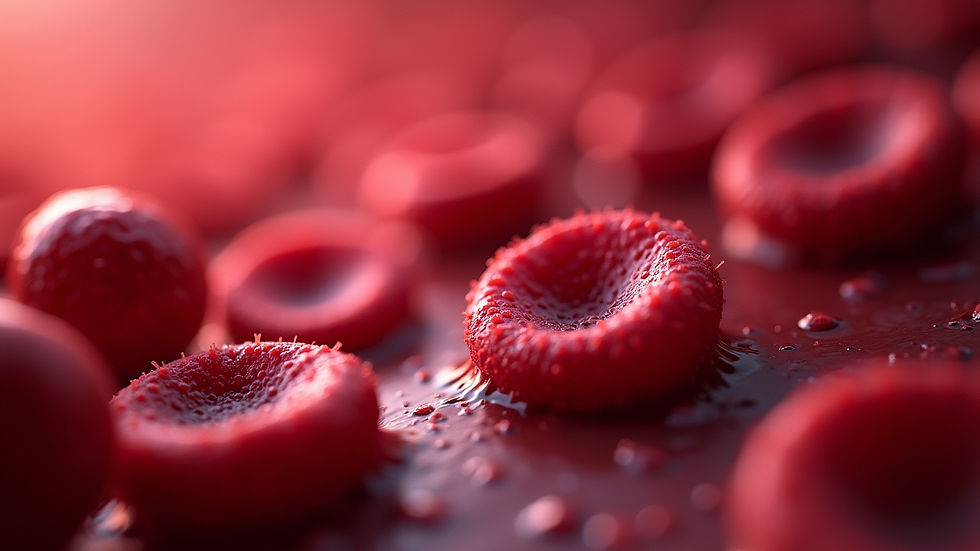
Vitamin B12 and Red Cells: Sources and Absorption
Vitamin B12 is naturally found in animal products such as meat, fish, eggs, and dairy. For those who follow vegetarian or vegan diets, it can be more challenging to get enough B12 from food alone. In such cases, fortified foods or supplements may be necessary.
Absorption of vitamin B12 is a complex process. It requires a protein called intrinsic factor, which is produced in the stomach. Some people have conditions that affect intrinsic factor production, such as pernicious anaemia, making it harder for their bodies to absorb B12.
To support your vitamin B12 levels, consider these practical tips:
Include a variety of B12-rich foods in your diet.
If you follow a plant-based diet, look for fortified cereals or plant milks.
Discuss with your healthcare provider whether a B12 supplement is right for you.
If you have digestive issues, ask about tests to check your B12 absorption.
By paying attention to your diet and absorption, you can maintain healthy red cells and overall wellbeing.
Recognising the Signs of Vitamin B12 Deficiency
It’s important to be aware of the symptoms that might suggest a vitamin B12 deficiency. Early detection can prevent complications and improve your quality of life. Some common signs include:
Persistent tiredness or weakness
Shortness of breath during light activity
Pale or yellowish skin
Numbness or tingling in hands and feet
Difficulty concentrating or memory problems
Mood changes such as irritability or depression
If you experience any of these symptoms, it’s wise to consult a healthcare professional. They can perform blood tests to check your vitamin B12 levels and assess your red blood cell health.

Practical Ways to Boost Your Vitamin B12 Intake
Taking steps to improve your vitamin B12 intake can have a positive impact on your energy and appearance. Here are some simple, effective strategies:
Eat B12-rich foods regularly
Incorporate lean meats, fish like salmon or tuna, eggs, and dairy products into your meals.
Try fortified foods
Many plant-based milks, breakfast cereals, and nutritional yeast are fortified with vitamin B12.
Consider supplements if needed
If your diet lacks B12 sources or you have absorption issues, supplements can help maintain adequate levels.
Monitor your health
Regular check-ups and blood tests can track your vitamin B12 status and red blood cell health.
Stay informed
Learn about how lifestyle factors, such as alcohol consumption and certain medications, can affect B12 absorption.
By following these steps, you support your body's ability to produce healthy red cells and maintain vibrant energy levels.
Embracing a Holistic Approach to Wellbeing
Vitamin B12 is just one piece of the puzzle when it comes to feeling and looking your best. A balanced diet, regular exercise, and good sleep all contribute to your overall health. When your red blood cells are healthy, your skin looks brighter, and your energy improves naturally.
If you want to enhance your natural beauty and confidence, focusing on internal health is a great place to start. Supporting your red blood cell health with adequate vitamin B12 is a simple yet powerful step.
Remember, small changes can make a big difference. Nourish your body with the right nutrients, and you’ll notice the benefits in how you feel and present yourself every day.
Taking care of your vitamin B12 levels is a gentle, effective way to support your body's natural vitality. By understanding its role in red cells and following practical advice, you can enjoy improved energy and wellbeing. Let this knowledge guide you towards a healthier, more radiant you.


Comments